Home Sellers
How do I set a list price for my Windsor area home?
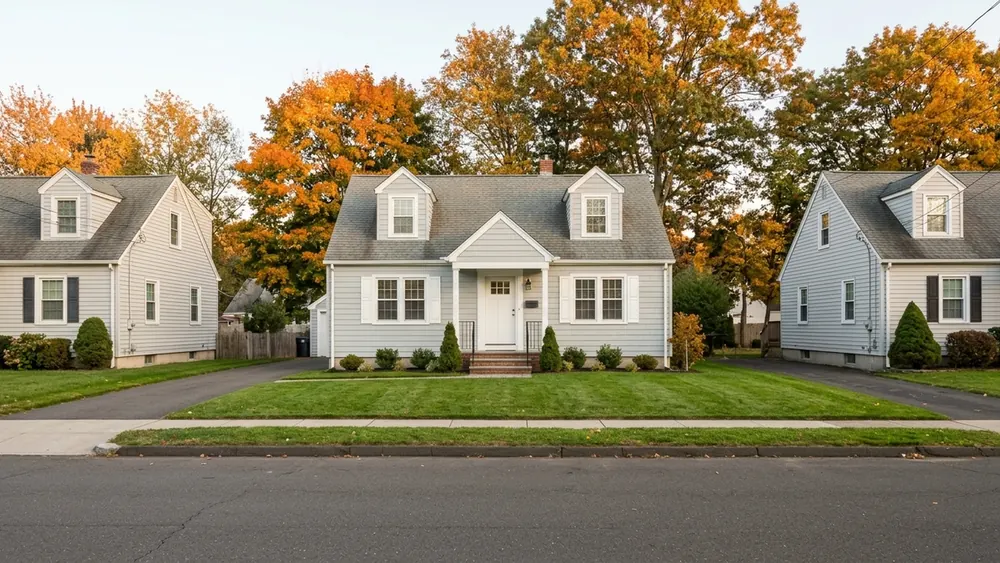
A list price for a Windsor area home comes from a conversation, not a formula: recent comparable sales nearby, your home’s condition and features, and your own timing, weighed together so you choose a starting price you understand.
On this page
A list price is a decision you make together
You set a list price for your Windsor area home by weighing three things together: recent comparable sales nearby, the condition and features of your home, and your own timing. No single figure answers the question on its own. The list price is a starting point that you choose with full information, after talking through what the evidence shows and what it does not. Cindy can bring the comparable sales to the table, and the decision stays yours.
This matters because the list price shapes the early stretch of a sale. It affects who sees your home, how buyers compare it with others, and how the first conversations about offers begin. A price chosen without a clear reason can be hard to explain later, both to buyers and to yourself. A price chosen from a careful conversation gives you a clear story to stand behind, whatever the market does next.
Cindy Warner treats pricing the way every move is treated: name the problem, weigh the options, build a plan. For most sellers the problem is a tension between wanting the strongest result and wanting a sale that fits their life. This article walks through how that conversation usually goes, what goes into it, and the questions worth asking before you agree on a price. It will not give you a figure, because no article honestly can.
What comparable sales can and cannot tell you
Comparable sales are recent sales of homes similar to yours, nearby, sold under ordinary conditions. They are the backbone of a pricing conversation because they show what buyers actually paid, rather than what sellers hoped for. In Windsor and Bloomfield, as across Greater Hartford, homes vary in style, size and setting, so finding truly similar sales takes judgment rather than a quick search online.
Comparable sales also have limits. No two homes are the same, and every sale carries details that never show up in a summary: the condition inside, the timing, and the terms the buyer and seller agreed on. Cindy can explain why a particular sale is or is not a fair comparison, and what adjustments might make sense. Ask about each comparable rather than accepting a list at face value, and ask what was left out.
Active and pending listings add context too. They show what your home would be competing with, though they show asking prices rather than final ones. Homes that sat on the market without selling can be informative as well, since they hint at where buyers hesitated. Put together, these pieces give you a picture rather than an answer, and the picture is what you use to decide on a starting point.
How condition shapes the conversation
Condition is the second part of the conversation, and it is where honest assessment matters most. A home that has been carefully maintained compares differently from one that needs work, even when the size and setting are similar. Walk through the home with Cindy and talk openly about what a buyer will notice, both the strengths and the items a buyer may want addressed or factored into an offer.
If you have had a licensed home inspector look at the home, bring that report to the pricing conversation. It helps separate cosmetic items from system questions, and it reduces the chance of a surprise once a buyer’s inspection begins. Avoid assuming that any repair or update moves the price by a set amount. Repairs can make a home easier for a buyer to evaluate, but no repair guarantees a particular result.
Features deserve the same careful approach. A finished basement, an updated kitchen or a larger yard may set your home apart from a comparable sale, or may not matter much to the buyers most likely to look at it. Ask Cindy how similar features showed up in recent nearby sales, and treat each adjustment as a judgment to discuss rather than a fixed rule you can apply on your own.
How your timing fits into the price
Timing is the third part, and it is personal. A seller who needs to move by a certain date weighs the list price differently from one who can wait for the right buyer. Neither approach is wrong. Be clear with yourself and with Cindy about which describes you, because that answer affects how you think about the starting price and how you respond if early interest is lighter or stronger than you expected.
- Any date you need to be moved out by, and why it is fixed
- Whether you are buying another home and how the two sales connect
- How long you are comfortable keeping the home show ready each day
- What you would want to do if early showings bring little interest
Answering these questions before you set the price keeps a later decision from becoming an emotional one. If interest is slower than you hoped, you will already know what you planned to do about it. If interest is strong, you will already know what matters to you beyond the price itself, such as timing or terms. Either way, the plan was made calmly and in advance, which is the point.
Questions to ask in the pricing conversation
A good pricing conversation is one where you ask as many questions as you answer. The table below lists questions worth raising, why each one matters, and who is best placed to answer it. Bring it with you and check off each line as you go, so nothing important is left for after the home is already listed and buyers are already asking.
| Question | Why it matters | Who to ask |
|---|---|---|
| Which recent sales are most comparable to my home? | They show what buyers actually paid nearby | Cindy Warner |
| Why was each comparable sale chosen? | Not every nearby sale is a fair match | Cindy Warner |
| Which condition items might buyers raise? | They shape how buyers read your home | A licensed home inspector |
| Are there disclosure questions to settle first? | Some items need clear handling before listing | A qualified attorney |
| How might this sale affect my taxes? | Every seller’s situation is different | A tax professional |
Notice that the pricing conversation reaches beyond real estate. Condition, disclosure and tax questions each belong with the right professional, and their answers can change how you feel about the price you choose. Cindy can help you see where each answer fits into the overall plan, but the expert advice comes from the people trained to give it, and it is worth getting before you commit.
Assumptions that cause pricing surprises
A few common assumptions lead sellers astray. One is that the price you paid, plus what you spent on improvements, sets a floor for what buyers will pay. Buyers respond to the market and the home in front of them, not to your history with it. Another is that an online estimate is a fair stand in for a careful comparison. Automated estimates cannot see inside your home or weigh the details a buyer notices.
A third assumption is that pricing high leaves room to negotiate down, while pricing carefully leaves money behind. Both approaches carry tradeoffs, and how they play out depends on the home and the moment. Talk through those tradeoffs openly with Cindy rather than relying on a rule of thumb. When Windsor homes are moving quickly, the conversation about your posture can matter as much as the conversation about the price.
Preparing for your pricing conversation
Before you sit down with Cindy, gather what helps the conversation stay grounded in your actual home. A little preparation saves a lot of back and forth later, and it makes sure your own knowledge of the home makes it into the discussion. Nobody knows the house better than the person who has lived in it. These are the items worth having on hand when you meet.
- A list of repairs, replacements and updates, with rough dates if you know them
- Any inspection report or notes about the home’s current condition
- Your timing needs, including any date you cannot move past
- Your questions about disclosure and taxes, ready for the right professional
When you are ready, bring the problem to Cindy Warner and talk through a list price for your home in Windsor, Bloomfield or elsewhere in Greater Hartford. There is no pressure to agree on anything in that first conversation. The goal is that you leave understanding the comparable sales, how condition and timing fit in, and what your next step is. The price you choose should be one you can explain with confidence.
This article is general information about buying, selling and owning homes in Windsor and Greater Hartford. It is not legal, tax, lending, foreclosure or inspection advice and does not predict prices or promise results. Confirm town plans with the Town of Windsor, financing with a licensed lender, mortgage payment problems with your loan servicer and a HUD-approved housing counselor, and legal and tax questions with a qualified attorney or tax professional. Cindy Warner, eXp Realty.

Written by